by Clare Bailey, The Retail Champion
Building a personal brand in business means becoming known as a trusted voice in your field. It happens when professionals consistently share expertise, contribute to industry conversations and build a reputation for insight and experience.
Unlike traditional marketing, a strong personal brand is not created through self-promotion. It develops when other people recognise your knowledge and begin turning to you for advice, commentary and leadership.
The most successful personal brands are built through a combination of real-world experience, visible contributions such as speaking or media commentary, and a consistent track record of expertise.
In this guide, I’ll explain how personal branding really works in business, how industry experts build credibility over time, and the practical steps professionals can take to become recognised voices in their sector.
What Is a Personal Brand in Business?
A personal brand in business is the reputation and authority an individual builds through their knowledge, experience and public contributions.
It develops when professionals consistently share insight, speak publicly, contribute to industry conversations and demonstrate expertise over time.
Unlike traditional branding, a personal brand is based on credibility and trust rather than marketing alone.
Expertise Isn’t Something You Declare
One thing that frustrates me slightly about the modern business world is how many people declare themselves to be experts.
There was a phase a few years ago when everyone seemed to be calling themselves a guru.
Social media guru. Marketing guru. Growth guru.
Whenever I hear that, I always wonder the same thing.
Who decided that?
Because expertise doesn’t work that way.
You don’t wake up one morning and appoint yourself the authority in a field. Other people do that, based on the experience you’ve built and the value you bring when you share your knowledge.
To become known as the person people turn to for insight, you have to demonstrate why you deserve that credibility.
That takes time.
It takes experience.
And it takes a willingness to share what you’ve learned.
The Moment My Own Personal Brand Began
Ironically, my own visibility in business began entirely by accident.
In August 2010 I received a call from a BBC producer who had found my profile on LinkedIn.
He asked if I could appear on BBC Breakfast the following morning to discuss a retail story.
Apparently he had tried to contact Mary Portas first. When she didn’t respond, he searched LinkedIn and my profile appeared.
The topic was the psychology of colour in retail, specifically why so many products were suddenly appearing in pink.
When I put the phone down, I had two immediate thoughts.
First: what am I going to wear?
Second: I’m about to go on live television.
I phoned a friend who runs a business helping executives with voice and presentation skills. Her advice was simple.
Don’t overthink it.
Don’t script your answers.
Speak naturally about what you know.
That’s exactly what I did.
And that appearance led to another one. And then another.
How the Name “Retail Champion” Was Born
During that first conversation, the BBC producer explained what they needed.
“We need someone who can speak from the perspective of retail,” he said.
“Someone who can act as a bit of a retail champion.”
At the time I had been looking for a name for the independent side of my consultancy work.
So I asked if I could use the phrase.
That BBC producer unknowingly created the brand name Retail Champion.
And it stuck.
Sometimes the strongest brands emerge naturally from the work you’re already doing.
Why Personal Branding Matters in Business
Building a strong personal brand helps professionals become recognised voices in their industry.
Key benefits include:
- Increased trust and credibility
- Greater visibility in media and industry events
- Opportunities for speaking and partnerships
- Stronger professional networks
- Increased demand for consultancy or expertise
In many sectors, the most influential voices are individuals who consistently share knowledge and practical insight.
Speaking Is One of the Fastest Ways to Build Authority
My speaking career actually started several years earlier.
In 2006 I became an ambassador for a government campaign encouraging young people to consider careers in retail.
I began delivering talks to groups of teenagers about my own journey in the industry.
The presentation was titled “From Flipping Burgers to Flipping Busy.”
Those early experiences taught me something important.
People value practical insight.
They want to hear from someone who has actually done the work, solved problems and learned from experience.
This applies in every industry.
Whether you run a consultancy, lead a company, or operate as an independent expert, speaking publicly allows you to share your experience in a way that builds trust quickly.
Relevance Matters More Than Fame
One moment that stayed with me happened when I spoke at a conference alongside Karen Brady.
Before the event I remember thinking: what am I doing on the same stage as her?
She’s a well-known business figure with a huge profile.
But afterwards several delegates came up to me and said something interesting.
They told me they found my talk particularly useful because it was directly relevant to their businesses.
Karen’s talk was inspirational.
Mine was practical.
And that taught me a valuable lesson.
You don’t need to be the most famous voice in the room.
You need to be the most relevant.

Personal Brand Examples in Business
One useful way to understand personal branding is to look at real examples.
In my own case, the brand Retail Champion grew gradually through experience, media commentary, public speaking and industry involvement.
It wasn’t created through a marketing campaign.
Instead, it developed through:
- contributing commentary to national and regional media
- speaking at conferences and business events
- sharing practical insight from decades in the retail sector
- working with businesses ranging from independent retailers to large organisations
Over time these activities created a visible body of work that reinforced credibility.
The lesson for any business leader is simple.
Your personal brand grows out of what you contribute to your industry, not what you claim about yourself.
How to Become an Industry Expert
Becoming recognised as an industry expert is a gradual process that develops through experience and visibility.
The most common path includes five stages:
- Build genuine experience
Authority begins with real work. Years spent solving problems and understanding how an industry operates provide the foundation for expertise.
- Share your knowledge publicly
Writing articles, speaking at events and contributing insights allow others to learn from your experience.
- Engage with industry conversations
Podcasts, panels, professional communities and conferences all create opportunities to contribute to discussions shaping your sector.
- Contribute to media commentary
Journalists regularly seek expert perspectives to explain trends and developments. Becoming a reliable commentator increases credibility.
- Build a track record of insight
Over time these contributions create a portfolio of expertise that others recognise and trust.
When that happens, people begin to view you as an authority in your field.
Why Investing in Your Personal Brand Can Feel Uncomfortable
One reality many business owners recognise is that investing in yourself can feel surprisingly difficult.
When you run a business, you’re always planning ahead for the uncertain months. There might be a quiet quarter, a delayed contract, or a client who pays late. You’re thinking about staff, suppliers, mortgages, school fees or children at university.
So anything that feels like spending money on yourself can quickly fall to the bottom of the priority list.
Your wardrobe. Professional photography. Personal branding. Even things like speaking coaching or presentation training.
It can feel indulgent when there are bills to pay.
I remember a moment during COVID that illustrates this perfectly. I had spent six months working with an event planner preparing a conference. Sponsors were lined up, delegates were booked, everything was ready to go.
And then within days the country went into lockdown.
The event had to be cancelled. Sponsors refunded. Delegates refunded. Suddenly there was a huge hole where the income should have been.
That kind of experience stays with you as a business owner. It makes you cautious about spending money on anything that feels optional.
Ironically, business owners are often more financially resilient than employees, because we’re used to adapting and managing uncertainty. But the sense of responsibility still makes personal investment feel like a luxury.
Which is why so many people delay it.
The Difference Between Vanity and Credibility
The irony is that investing in how you present yourself professionally isn’t vanity at all.
It’s part of building credibility.
The people who get invited to speak, appear in the media or lead industry conversations are often the ones who are prepared to put themselves forward and stand out.
People notice them first.
Then they listen to what they have to say.
If you turn up looking unprepared or your professional photographs are nothing more than a collection of selfies, it can unintentionally undermine your credibility.
Fair or unfair, people make quick judgements.
I’ve always thought of it in practical terms.
If you turn up to a meeting in a battered old car, people may wonder whether your business is struggling.
If you turn up in a Ferrari, they may assume you’re charging far too much.
But something sensible and reliable in the middle, like the Volvo I used to drive, sends a different message.
It signals professionalism, stability and trust.
Personal branding works in a very similar way.
Your imagery, your presentation and how you show up professionally help people decide whether you’re someone they feel confident working with or listening to.
It’s not about vanity.
It’s about professional trust.
Choosing the Right Opportunities
If you want to build a respected personal brand, you also have to be selective.
Before accepting a speaking engagement or media opportunity, it’s worth asking:
- Is this a topic I can speak about with genuine authority?
- Is the audience relevant to my experience?
- Will the conversation add value for the people attending?
If the answer is no, it’s usually better to decline.
Reputation is built through quality, not quantity.
Networking Without Being Awkward
Networking events often reveal another common mistake.
Many people treat networking as a chance to distribute as many business cards as possible.
That rarely leads to meaningful relationships.
Networking should be about conversations, not transactions.
The best approach is to make the initial connection and then follow up later in a more relaxed setting if there’s genuine synergy.
Most valuable professional relationships begin with simple conversations.
What Makes Someone a Trusted Industry Expert?
A trusted industry expert typically demonstrates:
- deep practical experience in their field
- the ability to explain complex topics clearly
- consistent contributions to industry discussions
- recognition from credible organisations or media
Experts are rarely self-declared. Instead, they become recognised through their track record and the value they provide to others.
Key Takeaway: Building a Personal Brand in Business
Building a personal brand is not about self-promotion.
It is about credibility, contribution and consistency.
Professionals who become recognised voices in their industries typically focus on:
- developing deep expertise
- sharing knowledge openly
- contributing to conversations within their sector
- building a visible track record of insight
Over time these activities create a reputation that others recognise and trust.
That reputation becomes the foundation of a strong personal brand.

Frequently Asked Questions
What is a personal brand in business?
A personal brand in business is the professional reputation someone builds through their knowledge, experience and public contributions. It develops when individuals consistently share expertise through speaking, writing, media commentary and industry participation.
Why is personal branding important for professionals?
Personal branding helps professionals establish credibility, build trust and become recognised voices within their industry. A strong personal brand can lead to speaking opportunities, media exposure, partnerships and increased business opportunities.
How do you become recognised as an industry expert?
To become recognised as an industry expert you need to demonstrate experience and share valuable insight consistently. This often includes publishing articles, speaking at industry events, appearing in media commentary and contributing to professional discussions.
How long does it take to build a personal brand?
Building a personal brand usually takes several years. True authority develops gradually as professionals accumulate experience, contribute insights and build a track record of credibility within their field.
What is the best way to build credibility in business?
The most effective way to build credibility is to share practical knowledge, demonstrate experience and contribute useful insights to your industry. Speaking at events, publishing content and engaging with media outlets all help reinforce professional authority.
The Three Foundations of a Strong Personal Brand
Across most industries, strong personal brands are built on three foundations:
Expertise – real knowledge gained through experience and professional practice.
Visibility – sharing insight through speaking, media, articles or public discussions.
Credibility – recognition from peers, organisations and audiences who value that expertise.
When these three elements develop together over time, individuals naturally become recognised voices in their field.
About Clare Bailey
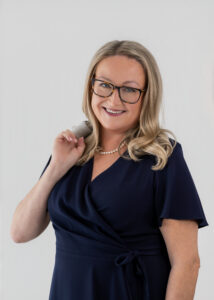
Clare Bailey is the founder of Retail Champion, a retail consultancy specialising in retail strategy, consumer insight and business transformation.
With over three decades of experience across corporate retail, independent businesses and advisory work, Clare is a recognised commentator on retail trends, the future of the high street and consumer behaviour.
She regularly speaks at industry conferences and appears in national and regional media discussing developments in the retail sector.