

by Clare Bailey, The Retail Champion
I will admit something slightly uncomfortable. Even as the mother of two Gen Z children, I recently realised that I do not fully understand this generation.
My children are turning 20 and 22 this year, so I live in their world every day. Yet when it comes to how they shop, what they care about and how they choose brands, their behaviour often feels very different from my own experience growing up.
Part of the issue may be that I sit somewhere between generations myself. I am Gen X by birth, probably millennial in attitude, and occasionally a bit Gen Z in behaviour.
Pure Gen Z, however, often feels like something else entirely.
They question assumptions, challenge traditional thinking and behave in ways that do not always match the patterns retailers have relied on for decades. To many people in senior management, they can appear unpredictable, sometimes even contradictory.
That creates a very real challenge for the retail sector.
Many of the people making the biggest strategic decisions in retail businesses today are Gen X or Baby Boomers. We built our careers and leadership instincts in a completely different consumer environment. Yet we are now responsible for designing strategies, experiences and brand propositions for a generation whose expectations have been shaped by a very different world.
Gen Z is not a future retail trend waiting to arrive. They are already influencing the market.
Brands that fail to align with their expectations around authenticity, ethics and purpose risk becoming irrelevant. In a world where social platforms amplify every opinion, irrelevance can quickly tip into something worse: public criticism that spreads fast and widely.
Loyalty with this generation is not something brands can buy through promotions or points schemes. It has to be earned.
What Is Gen Z in Retail?
Gen Z refers to consumers born between 1997 and 2012. They are the first generation to grow up entirely in the digital era and tend to prioritise authenticity, transparency and social responsibility when choosing brands. At the same time, they still expect strong value, good design and convenience when deciding where to spend their money.
One of the things that prompted this episode was a conversation with my son.
Like many people his age, he had spent months weighing up different paths after finishing college. At one stage he was seriously considering skipping university entirely and pursuing a more entrepreneurial route instead.
Then, almost at the last minute, he changed direction and chose university after all.
That kind of decision-making process is very typical of Gen Z. Traditional paths are no longer assumed. Young people are far more willing to question the established route, explore alternatives and change course if something no longer feels right.
Observing those conversations at home made me realise something important. Even when you live alongside Gen Z every day, their mindset can still feel unfamiliar.
For retail leaders who are a generation or two removed, the gap in understanding can be even wider.
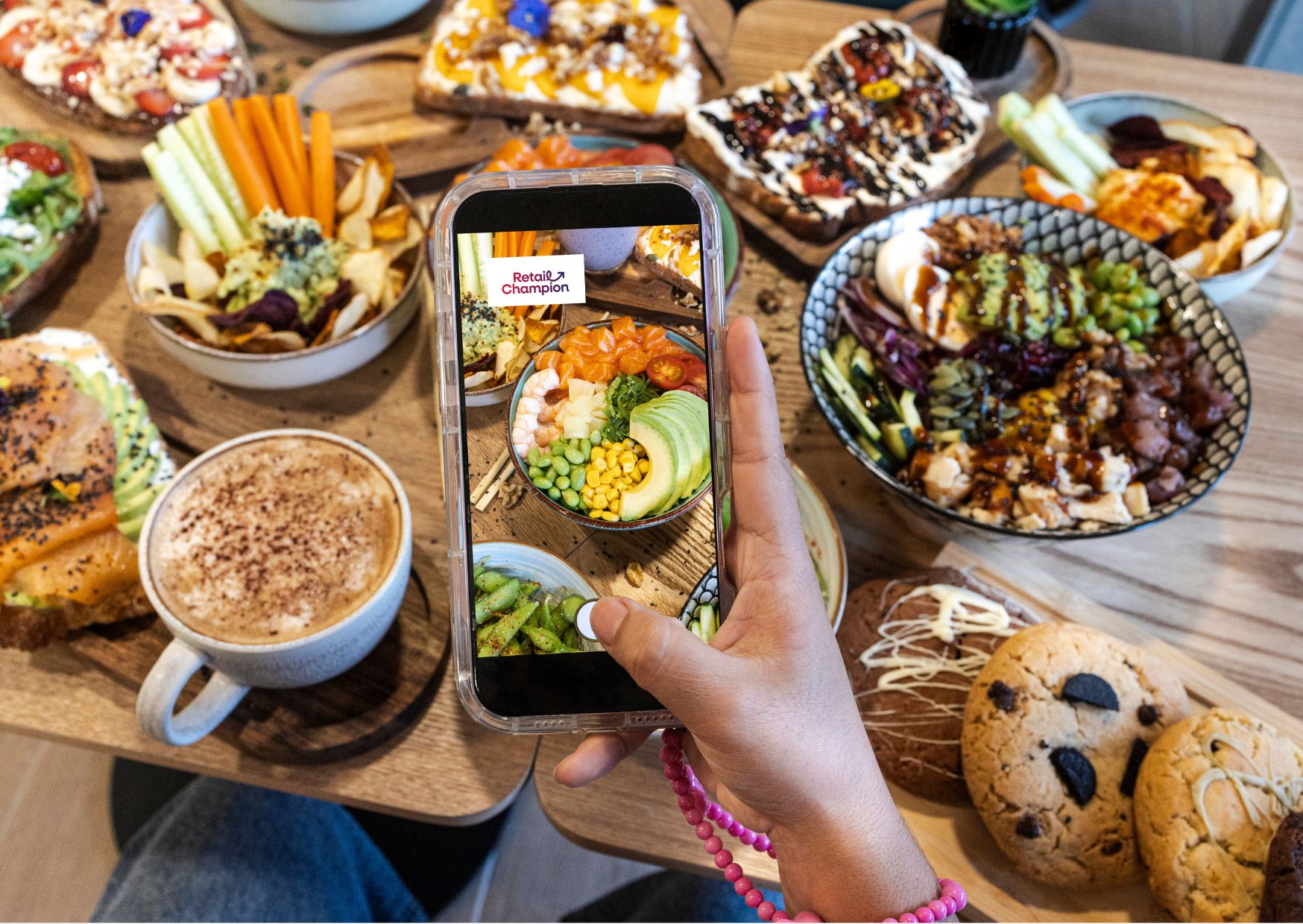
Who Is Gen Z and Why Do They Matter for Retail?
Gen Z is the first generation to grow up entirely in the digital era. The first online retail transaction happened in 1997, the same year the oldest members of Gen Z were born. Smartphones, social media and instant access to information have always been part of their lives.
That environment shapes how they view brands.
Gen Z consumers tend to be highly aware of marketing tactics and extremely quick to recognise messaging that feels staged or inauthentic. Access to information allows them to research brands instantly, compare values and share opinions publicly.
Their outlook has also been shaped by the economic and social environment in which they grew up. Many have experienced financial uncertainty, global disruption and increasing concern about climate issues from an early age. These experiences often translate into a stronger focus on mental wellbeing, work-life balance and purposeful careers.
As a result, they tend to look at brands through a slightly different lens.
How Gen Z Loyalty and Shopping Behaviour Differ
Retailers often assume loyalty works in broadly the same way it always has. Historically, businesses built loyalty through points schemes, discounts and promotional incentives.
Those tools still work with many customers. However, Gen Z tends to evaluate brands using a wider set of criteria.
This generation pays close attention to whether a company’s behaviour aligns with its messaging. Ethical sourcing, sustainability claims and workplace culture are often scrutinised more closely than in previous generations.
At the same time, ethical positioning alone does not guarantee loyalty.
Gen Z consumers still expect desirable products, good design, strong value and convenience. If those fundamentals are missing, purpose-driven messaging will not compensate for it.
Values matter, but relevance matters just as much.
The Retail Leadership Blind Spot
The challenge facing many retailers is not a lack of information about Gen Z. There are countless reports, statistics and trend analyses about this generation.
The real issue is more subtle.
Most retail leaders developed their instincts during a period when customer relationships looked very different. Brand messaging was more controlled, reputational challenges moved more slowly and communication between customers was less visible.
Today’s environment operates on completely different dynamics.
Customers discuss brands constantly online. A single comment, video or post can highlight a disconnect between what a company claims and what it actually does. Once that conversation starts, it can spread quickly.
Retail leaders who built their careers in a different era are often still adapting to this shift.
How Retailers Should Adapt to Gen Z Customers
Connecting with Gen Z authentically requires more than adjusting social media content or adding sustainability messaging to marketing campaigns.
This generation tends to evaluate brands across every part of the business. Retailers therefore need to consider several areas carefully.
Authentic communication
Brand messaging must reflect real action. Claims that are not supported by genuine operational decisions are quickly questioned.
Visible ethics
If sustainability or ethical sourcing forms part of a brand story, it needs to be clearly explained and demonstrated rather than hidden in technical reports or small print.
Seamless but human experiences
Gen Z expects digital convenience and efficiency, yet they also respond positively to brands that feel approachable and human rather than scripted or corporate.
Supply chain transparency
There is growing curiosity about where products come from, how they are produced and whether a brand’s actions genuinely reflect its stated values.
For many retailers, addressing these expectations requires a deeper operational review rather than a purely marketing-led solution.
If You Want Gen Z to Take Your Brand Seriously
Retailers often ask what practical steps they should take when thinking about Gen Z customers. While every business is different, several principles consistently stand out.
Show proof, not purpose statements
Gen Z consumers are sceptical of vague claims about values. Brands need to demonstrate real action rather than relying on messaging alone.
Make ethical choices visible and affordable
Sustainability cannot exist as a premium niche within the brand. If ethical choices matter, they need to be integrated into mainstream product ranges and clearly communicated.
Design experiences that are frictionless but human
Gen Z expects digital convenience. At the same time, brands that feel overly scripted or corporate often struggle to connect emotionally.
Be radically transparent about how products are made
Supply chains are no longer invisible to customers. Clear, honest communication about sourcing and production builds credibility.
These actions require more than marketing adjustments. They involve aligning brand strategy, product development and operational decisions.
Why This Matters for the Future of Retail
Aligning with Gen Z values does not always produce an immediate spike in sales.
Some operational changes increase costs. Others require careful positioning so that they resonate with younger audiences without alienating existing customers.
However, the long-term strategic benefits can be significant.
Gen Z consumers are highly connected and extremely influential within their peer groups. When they trust a brand, they often become strong advocates who share recommendations widely. When credibility is lost, criticism can travel just as quickly.
Retailers that build genuine transparency and relevance today are more likely to earn long-term loyalty from this generation.
My Takeaway
Spending time observing my own children and their friends has reinforced one clear lesson.
Gen Z is not simply another demographic group to add to a marketing strategy. Their expectations are reshaping how brands are judged, how trust is built and how reputation spreads.
Retail leaders do not need to think exactly like Gen Z consumers. Understanding their motivations and behaviours, however, is becoming essential for any business that wants to remain relevant.
Without that understanding, there is a real risk that retail strategies will continue to be designed for customers who are slowly ageing out of the market.
Listen to the Retail Reckoning podcast episode
This topic is explored in much more depth in the latest episode of Retail Reckoning, where we discuss how Gen Z expectations are influencing the future of retail and what that means for businesses today.
If you are responsible for shaping brand strategy, customer experience or retail leadership decisions, it is a conversation worth hearing.
🎧 Listen to the full episode of Retail Reckoning wherever you get your podcasts.
FAQ
What does Gen Z want from retail brands?
Gen Z consumers expect authenticity, transparency and ethical behaviour from brands. They also prioritise good design, value for money and convenience when deciding where to shop.
Why is Gen Z important for the future of retail?
Gen Z represents the next generation of shoppers, employees and brand advocates. Their expectations around transparency, social responsibility and digital convenience are influencing how retailers design products, experiences and brand strategies.
How does Gen Z shopping behaviour differ from older generations?
Gen Z consumers tend to research brands more thoroughly, compare values and rely heavily on peer recommendations through social media. They are also quicker to switch loyalty if a brand fails to meet expectations.
How should retailers adapt to attract Gen Z customers?
Retailers should ensure their brand messaging aligns with genuine business practices. Clear communication around sustainability, transparent supply chains, seamless digital experiences and authentic storytelling all help build trust with Gen Z shoppers.
If you’ve enjoyed this blog you may also like: Retail Secrets: Why Experiential Shopping is the Secret to Turning Browsers into Buyers