
How a small homeware range can help transform your margins
Walk into a really good independent boutique and something happens before you even look at the clothes.
You notice the lighting.
The displays.
The music.
And often there’s a scent in the air that makes you slow down just a little.
Customers don’t always notice it consciously. But they feel it.
Then, almost inevitably, someone asks the question.
“Excuse me… what’s that gorgeous smell?”
At that moment, most boutique owners smile and say something like:
“Oh, it’s just the candle we burn in the shop.”
And I always think the same thing.
That candle should be on the shelf.
Because the truth is this: your boutique is already more than a fashion shop.
It’s a curated world your customers trust.
So why limit that world to clothing?
Fashion boutiques already operate as lifestyle brands
The independent boutiques that thrive rarely succeed just because of the clothes.
They succeed because of taste.
Customers trust the way you put outfits together. They trust your colour choices, your styling and the brands you choose to stock.
In other words, they trust you.
That trust is incredibly powerful. It creates an opportunity many boutiques overlook.
If customers trust your fashion curation, they’re often open to buying other products that reflect the same aesthetic.
Candles.
Diffusers.
Jewellery dishes.
Throws.
Beautiful small ceramics.
Not random lifestyle clutter. Thoughtfully chosen pieces that sit comfortably alongside your fashion offer.
Done well, these products don’t distract from fashion.
They deepen the world your boutique has already created.
Homewares are one of the easiest ways to increase average order value
Here’s the commercial reality.
A customer who has just bought a £120 dress might hesitate before buying another item of clothing.
But adding an £18 candle or a £35 jewellery dish at the till?
That feels completely different.
Small homeware pieces create what retailers call low-friction add-on sales.
They increase the value of each transaction without requiring you to attract a single new customer.
In an era where acquiring customers is getting more expensive every year, that matters.
But there’s another advantage.
Homewares solve one of fashion retail’s biggest problems: gifting
Buying clothes for someone else can feel complicated.
Size.
Fit.
Personal style.
Colour preferences.
All of these things create uncertainty.
So what do customers often default to?
Gift vouchers.
Homewares remove that friction completely.
A beautiful candle, diffuser or jewellery tray is thoughtful, tactile and easy to wrap. Suddenly customers have a real gift option instead of a piece of plastic in an envelope.
And when that candle sits on their coffee table or that diffuser sits in their hallway, something else happens.
Your brand moves from being a shop they visit occasionally to something that lives inside their home.
That kind of brand presence is incredibly powerful.
How to price a boutique homeware range properly
One of the most common mistakes I see is boutiques introducing homewares without a clear pricing structure.
Your range should mirror the pricing logic already working in your fashion offer.
A simple good, better, best structure works brilliantly.
Good (£10–£25)
Impulse purchases. Candles, soaps, small ceramics, notebooks, jewellery dishes.
Better (£30–£60)
Gifting pieces such as diffusers, trays, throws or jewellery boxes.
Best (£80+)
Treat-yourself items like luxury fragrance, statement cushions or premium home accessories.
This layered structure keeps the category accessible while protecting margins.
Should boutiques create their own fragrance products?
At some point many boutique owners ask about white labelling.
Putting your own brand on candles or fragrance can be extremely powerful. It means your name sits on products customers use every day.
However, it isn’t always the right starting point.
Minimum order quantities, packaging design, regulatory labelling and storage can quickly turn a simple idea into a large operational project.
For many boutiques, the smarter first step is carefully curated independent brands.
The key is alignment.
If your fashion offer focuses on sustainability or natural materials, your homeware brands should reflect those same values.
Customers spot inconsistency quickly.
Merchandising homewares inside a fashion boutique
Adding homewares successfully isn’t just about product selection.
It’s about how those products sit within the store.
Random candles scattered across rails will look like an afterthought.
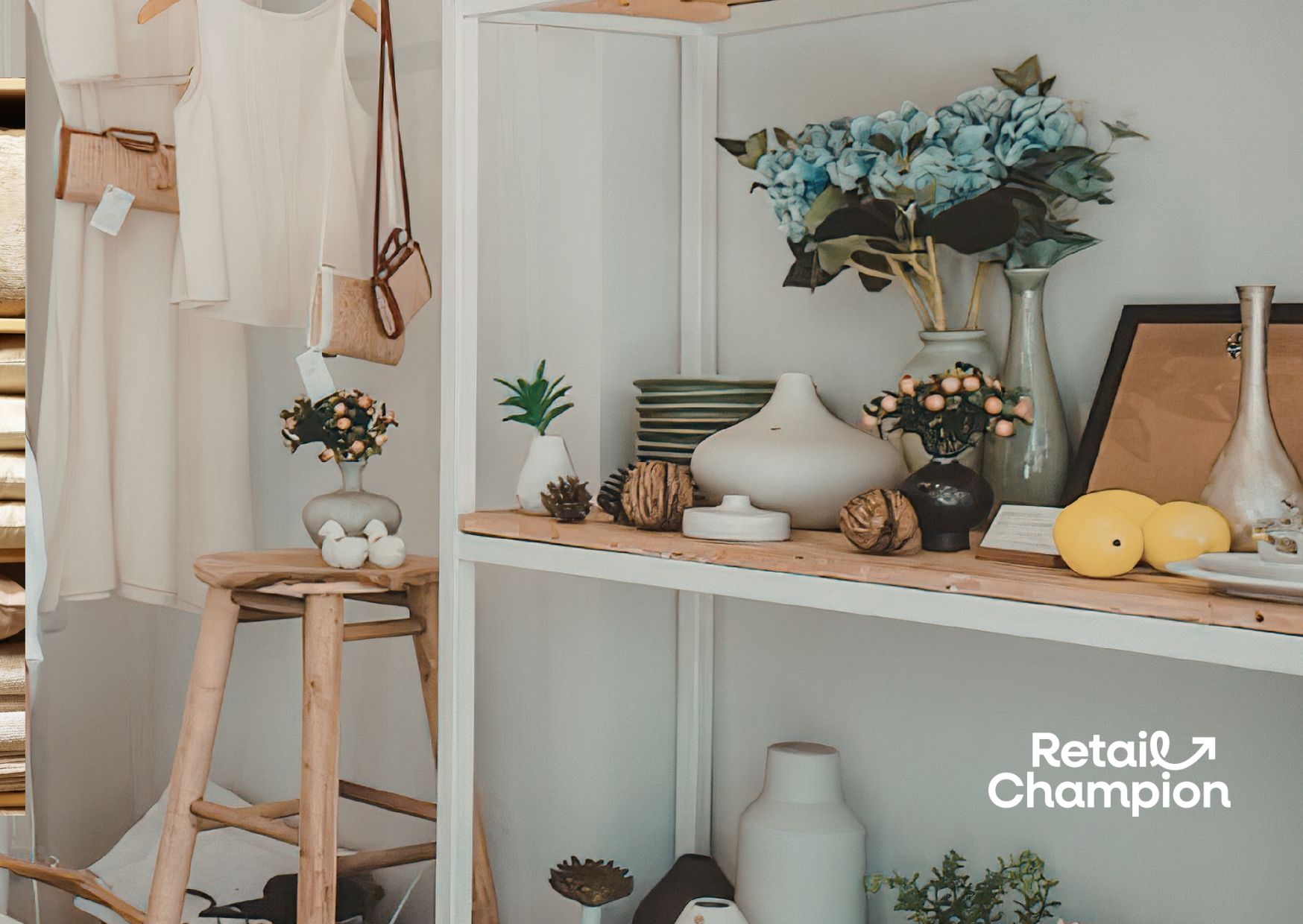
But when homewares are merchandised intentionally, they strengthen the boutique experience.
Think about creating simple visual zones such as:
- a gifting table
• a lifestyle corner
• a seasonal edit
• fragrance near the till
These small cues help customers understand how the category fits into your boutique.
A quick reality check for boutique owners
Homewares can be commercially strong, but they aren’t “easy money”.
They take up floor space.
They tie up cash.
They need operational thought.
Posting glass is very different from posting knitwear. Packaging, insurance and breakage all need factoring into your online strategy.
Stock turn also matters.
Slow-moving cushions may look lovely in the corner of the shop, but they’re still money sitting on a shelf.
The boutiques that succeed with homewares treat the category strategically.
They test small ranges, watch the numbers and scale carefully.
Start small and learn quickly
You don’t need to transform your boutique overnight.
The smartest retailers start with a tightly edited range.
A handful of candles.
A small fragrance collection.
A few carefully chosen gift pieces.
Then they listen to their customers.
They watch what sells.
They refine the edit.
And only then do they expand.
Listen to the Retail Reckoning podcast
If you’re considering adding homewares to your boutique, we explored this topic in much more depth on the Retail Reckoning podcast.
In the episode, I sat down with retail strategist Steph Briggs to talk about:
- why fashion boutiques are perfectly placed to sell lifestyle products
- the commercial opportunities many retailers overlook
- the operational pitfalls to avoid
- how to test ranges without tying up cash
It’s a practical conversation based on what we’re seeing across independent retail right now.
Listen to the full episode of Retail Reckoning here.